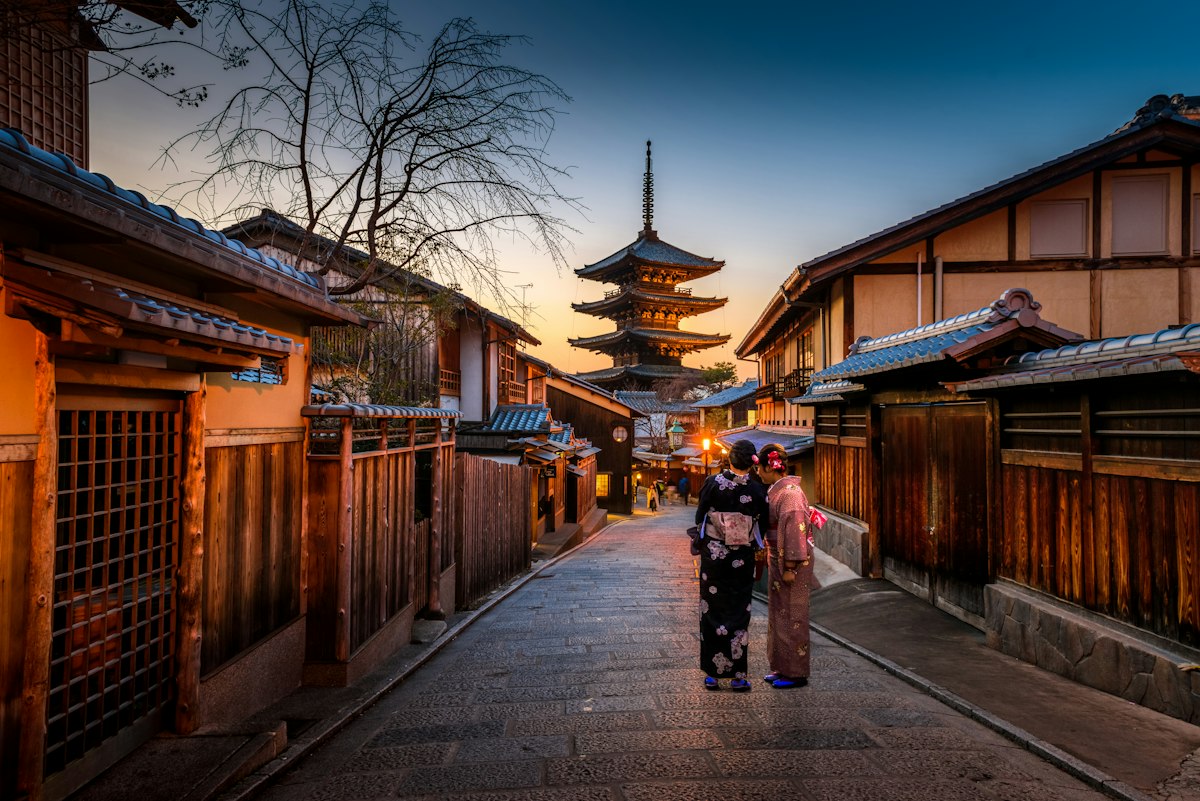
Japan is the most-searched international destination for Aussie travellers in 2026 — and thanks to the weak yen, it's the cheapest it's been in over a decade. A AU$8 bowl of ramen that would cost AU$18 in Sydney. A AU$60/night hotel room that's spotlessly clean and five minutes from a train station. Bullet trains that arrive on time to the second. Here's everything you need to plan a Japan trip from Australia, at any budget.
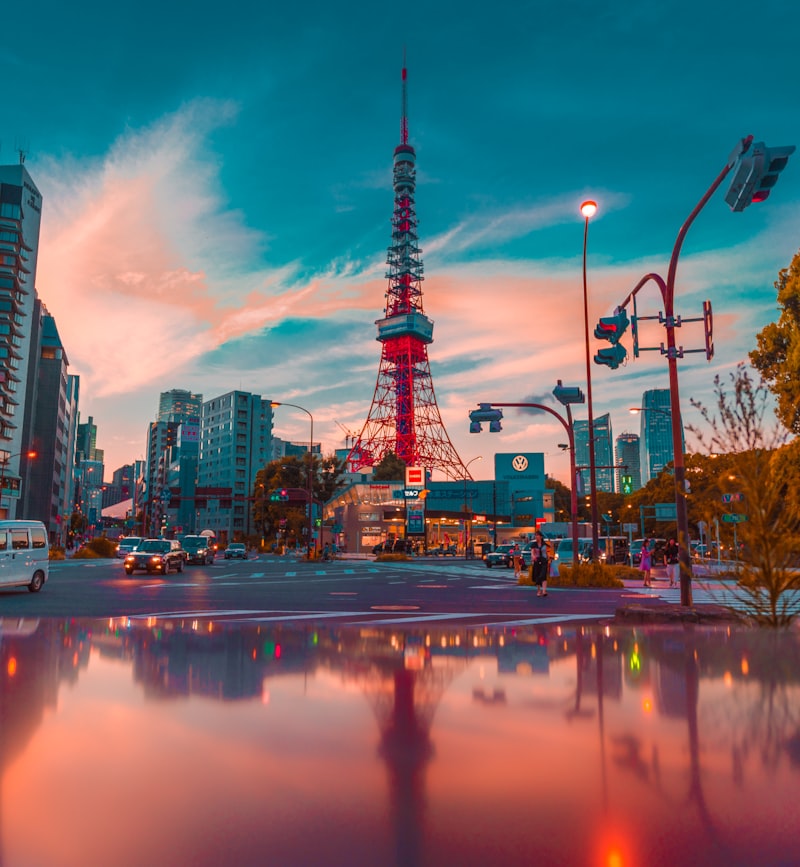
What's New for 2026 (Aussies Need to Know)
Weak Yen = Your Advantage
The yen is hovering around ¥100 per AU$1 (vs ¥65–75 a few years ago). This makes Japan 30–40% cheaper for Aussies than it was pre-2023. Your AU$150/day budget buys what used to cost AU$200+. This is genuinely the best time in a decade to visit.
JR Pass Price Increase (October 2023)
The 7-day Japan Rail Pass jumped from ¥29,650 to ¥50,000 (~AU$500) — a 70% increase. It's no longer automatically worth it. For a simple Tokyo↔Kyoto return, individual tickets (~AU$265) are cheaper. The pass only makes sense for multi-city circuits (Tokyo→Kyoto→Hiroshima→Osaka→Tokyo). Calculate your specific routes first.
New Tourist Fees for 2026
International Tourist Tax tripled to ¥3,000 (~AU$30) per person (included in your outbound flight ticket). Kyoto added tiered accommodation taxes (¥200–¥1,000/night). Some attractions have introduced dual pricing for international visitors. Budget an extra AU$50–$100 per trip for these new costs.
What Does Japan Actually Cost? (In AU$)
| Category | Budget (AU$/day) | Mid-Range | Luxury |
|---|---|---|---|
| Accommodation | AU$30–$60 | AU$90–$160 | AU$300–$600+ |
| Food | AU$25–$40 | AU$50–$80 | AU$120–$300+ |
| Transport (local) | AU$10–$15 | AU$15–$25 | AU$50+ (taxis) |
| Activities | AU$5–$15 | AU$20–$50 | AU$100–$300 |
| Daily Total | ~AU$80–$130 | ~AU$175–$315 | ~AU$570–$1,200+ |
* Daily budgets exclude international flights and inter-city Shinkansen. Based on ¥100 = AU$1 (March 2026).
Getting There: Flights from Australia
Multiple airlines fly direct from Australian capitals to Tokyo and Osaka. Here's the quick comparison:
| Route | Direct Airlines | Return From | Flight Time |
|---|---|---|---|
| Sydney → Tokyo | Qantas, ANA, JAL | ~AU$650 | 9.5 hours |
| Melbourne → Tokyo | Qantas, JAL | ~AU$700 | 10 hours |
| Sydney → Osaka | Qantas, Jetstar | ~AU$600 | 9.5 hours |
| Cairns → Tokyo | Jetstar | ~AU$500 | 7.5 hours |
| Any → Tokyo (budget) | Scoot, AirAsia X | ~AU$450–$550 | 10–16 hours (with stop) |
Pro Tip: Fly into Tokyo, Out of Osaka
Book an “open-jaw” ticket: fly into Tokyo (Haneda), travel down through Kyoto and Osaka by train, then fly home from Osaka (Kansai). This avoids backtracking to Tokyo and saves you a AU$130 Shinkansen ticket. Most flight comparison tools support open-jaw searches.
Where to Stay: Japan's Unique Options
Japan has accommodation types you won't find anywhere else. Here's what to know:
Business Hotels
AU$60–$120/nightJapan's secret weapon. Tiny rooms, but immaculately clean, perfectly located near train stations, and often include breakfast. Brands like Toyoko Inn, APA Hotel, and Dormy Inn are reliable nationwide. Dormy Inn includes a communal onsen (hot spring bath) — incredible value at this price.
Capsule Hotels
AU$25–$50/nightThe uniquely Japanese experience. Your own pod with a mattress, light, power outlet, and curtain. Modern capsule hotels (like Nine Hours and The Millennials) are sleek and comfortable. Great for solo travellers; not suitable for couples or families. Luggage storage usually available.
Ryokan (Traditional Inn)
AU$150–$500+/nightTatami mat rooms, futon beds, kaiseki dinner (multi-course Japanese cuisine), yukata robes, and private or communal onsen baths. The quintessential Japanese cultural experience. Budget ryokans exist from ~AU$80, but the full experience (with dinner) starts around AU$150. Hakone (near Tokyo) and Kinosaki Onsen are top ryokan destinations.
Hostels
AU$20–$40/nightJapanese hostels are a cut above what you'd expect. Clean, quiet, with communal kitchens and often rooftop terraces. K's House, Piece Hostel, and Nui are highly rated chains. Perfect for solo travellers and backpackers. Some have private rooms from AU$50.
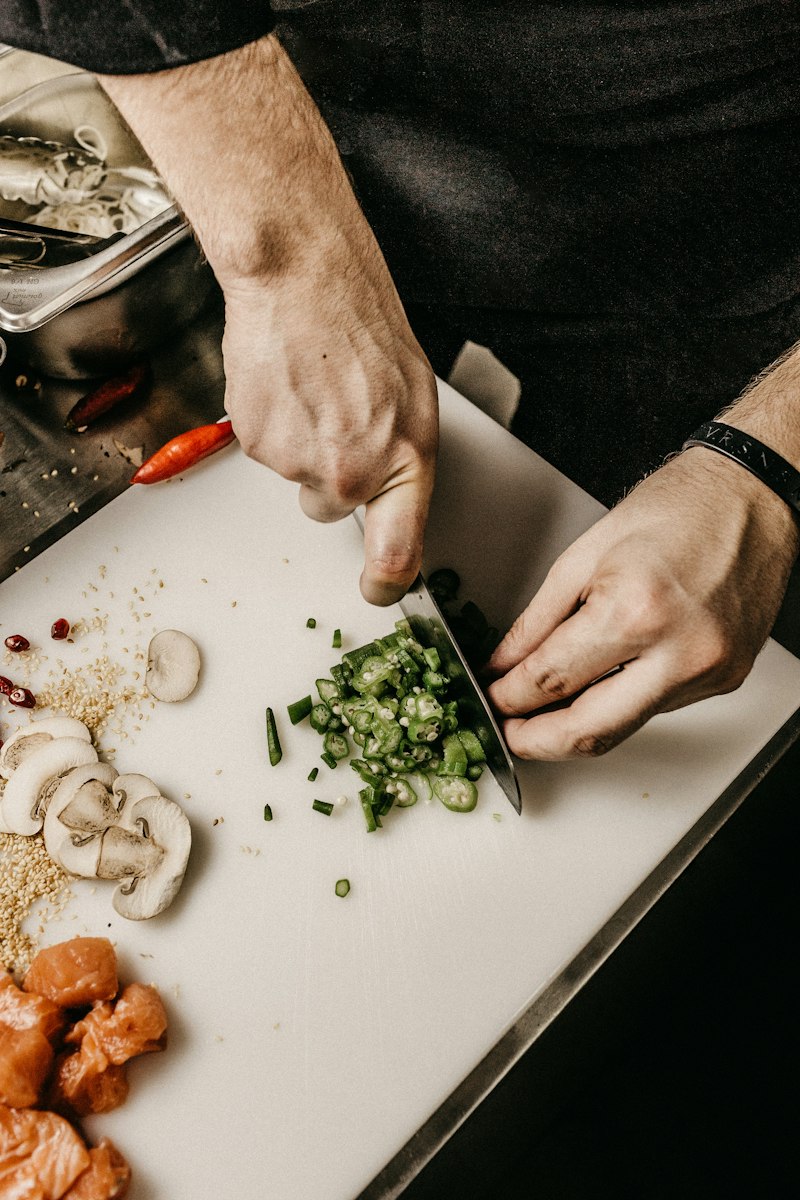
Eating in Japan: The AU$8 Ramen to the AU$300 Omakase
Food is where Japan delivers insane value. The quality-to-price ratio is the best in the world. Here's what you'll spend:
Food Prices (AU$)
The Budget Food Hack
Japanese convenience stores (7-Eleven, Lawson, FamilyMart) are nothing like Australian servos. They sell restaurant-quality bento boxes, fresh sushi, onigiri, sandwiches, and desserts — all for AU$3–$8. Konbini breakfast + casual lunch + one sit-down dinner keeps your daily food budget under AU$30 without ever feeling like you're “budget travelling.”
Getting Around: Trains, Subway, and the JR Pass Question
| Transport | Cost (AU$) | Best For |
|---|---|---|
| Suica/PASMO IC card (cities) | AU$1.50–$3 per ride | All city travel, konbini payments |
| Shinkansen (bullet train) one-way | AU$90–$140 | Inter-city (e.g. Tokyo→Kyoto AU$130) |
| 7-day JR Pass | ~AU$500 | Only if 3+ cities with Shinkansen |
| Regional JR Pass (e.g. JR West) | AU$130–$200 | Kansai region (Kyoto/Osaka/Hiroshima) |
| Overnight bus | AU$30–$60 | Budget: saves transport + one night hotel |
| Bicycle rental | AU$5–$10/day | Kyoto, Nara, Osaka (flat cities) |
JR Pass: Do the Maths First
Since the 2023 price hike, the 7-day JR Pass (AU$500) is only worth it if you're doing a multi-city loop. Tokyo→Kyoto return alone costs ~AU$265 — the pass loses you AU$235. But Tokyo→Kyoto→Hiroshima→Osaka→Tokyo costs ~AU$480 in individual tickets, making the pass break even with added flexibility. Always calculate your actual routes on Google Maps transit before buying.
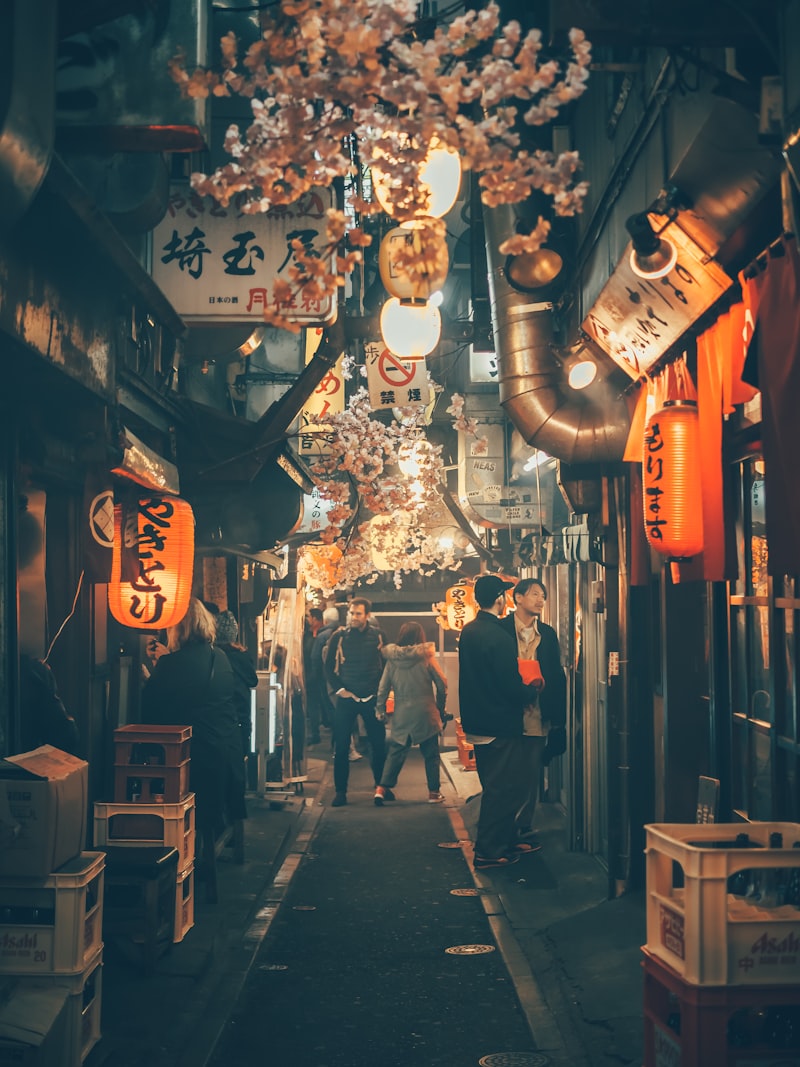
3 Sample Itineraries for Aussie Travellers
Tokyo → Kyoto → Osaka
Flights: AU$600 return (Jetstar/Scoot). Accommodation: Hostels + 1 capsule hotel (AU$30–$40/night = AU$350). Transport: Individual tickets, no JR Pass (AU$300). Food: Konbini + ramen + 2 nice dinners (AU$35/day = AU$350).Activities: Temples, shrines, markets (AU$100). Buffer: AU$200.
4 days Tokyo → 3 days Kyoto → 3 days Osaka. Overnight bus Tokyo→Kyoto saves a hotel night.
Tokyo → Hakone → Kyoto → Nara → Osaka → Hiroshima
Flights: AU$800 return (ANA/Qantas). Accommodation: Business hotels + 1 ryokan night in Hakone (AU$100–$160/night = AU$1,700). Transport:7-day JR Pass + IC card (AU$600). Food: Mix of konbini, ramen, izakaya, 1 sushi splurge (AU$60/day = AU$840). Activities: Temples, Mt Fuji day trip, Hiroshima Peace Museum (AU$350). Ryokan: One night with kaiseki dinner (AU$250).
Open-jaw: fly into Tokyo, out of Osaka. JR Pass covers Shinkansen on this route.
Tokyo → Hakone → Kyoto → Naoshima
Flights: AU$5,500 return (ANA Business “The Room”). Accommodation:Aman Tokyo + luxury ryokan + Benesse House Naoshima (AU$400–$800/night = AU$4,500).Food: Omakase sushi, kaiseki, Michelin restaurants (AU$150/day = AU$1,500).Activities: Private tea ceremony, sake tasting, art island tour (AU$500).
Naoshima (art island) is Japan's best-kept luxury secret — Tadao Ando architecture, world-class art museums, and virtually no crowds.
Practical Tips for Aussie Travellers
Essential Japan Tips
- 1. Cash is still king: Many small restaurants, temples, and local shops are cash-only. Withdraw yen from 7-Eleven ATMs (they accept all Aussie cards).
- 2. Get a Suica card immediately: At the airport, tap in and out of trains, pay at konbini — it works everywhere. Like an Opal card that also buys snacks.
- 3. Download Google Maps offline: Japan's train system is complex but Google Maps navigates it perfectly, including walking directions between platforms.
- 4. No tipping: Don't tip anywhere. It's not expected and can be considered rude. The price is the price.
- 5. Shoes off: Remove shoes when entering temples, ryokans, and many restaurants. Wear socks without holes (seriously).
- 6. Pocket Wi-Fi or eSIM: Rent a pocket Wi-Fi at the airport (~AU$5/day) or buy an eSIM before you leave. You'll need data for maps and translation.
- 7. Tax-free shopping: Spend over ¥5,000 at one store and claim a 10% tax refund. In 2026, you pay upfront and claim at the airport.
- 8. Convenience stores are amazing: 7-Eleven, Lawson, and FamilyMart serve fresh, high-quality food 24/7. Don't judge them by Australian servo standards.
- 9. Learn 5 words: Sumimasen (excuse me), Arigatou (thanks), Kudasai (please), Oishii (delicious), Kanpai (cheers). You'll use these 50 times a day.
- 10. Quiet carriages are sacred: No phone calls on trains. Keep your voice low. This is non-negotiable Japanese etiquette.
We've done Japan three times now, and each trip we say “we should have stayed longer.” Our biggest tip: don't try to see everything. Tokyo + Kyoto for your first trip is more than enough. Do those two properly rather than rushing through five cities. Japan rewards the slow traveller — the ramen shop down a laneway that has no English sign, the quiet temple at golden hour, the accidental izakaya where the owner pours you free sake because you tried to speak Japanese.
At $2,500 for 10 days (budget) or $5,500 (comfortable), it's genuinely one of the best-value international trips an Aussie can take right now. You'll be back. Everyone goes back.
Ready to book your Japan trip?
Flight guides, hotel tips, and destination advice for every Aussie traveller.
Browse All Travel GuidesSome of the deals and platforms we've linked to are affiliate partners — if you book through our links, we might earn a small commission. Doesn't cost you anything extra, and it helps keep the site running. We only recommend stuff we'd actually use ourselves.